Driving Progress With Next Generation Construction Equipment
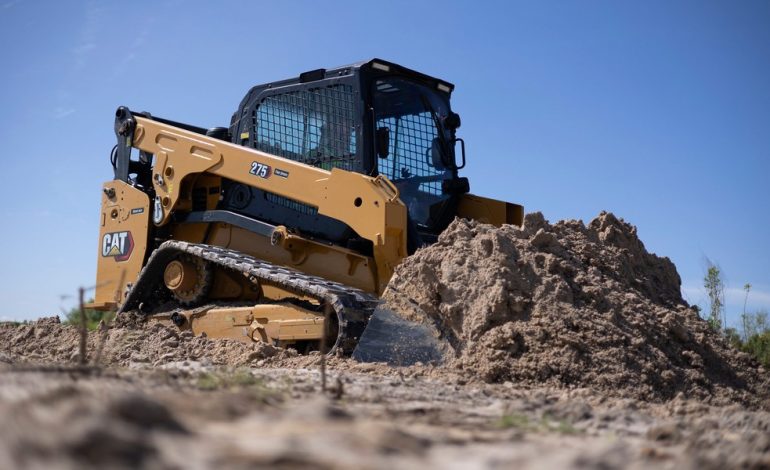

The construction industry has always depended on strength, precision, and reliability. These attributes are now being pushed even farther by the development of next-generation construction equipment, which is changing the way projects are organized, carried out, and finished. From large scale infrastructure developments to smaller commercial builds, modern machinery is playing a central role in driving progress across every stage of construction. Incorporating reliable solutions like Torgersons construction equipment can significantly enhance efficiency, safety, and overall performance on modern job sites.
The Rise Of Smarter Equipment
One of the most noticeable changes in construction equipment is the integration of smart technology. Machines are no longer just mechanical tools; they are now intelligent systems equipped with sensors, GPS tracking, and digital interfaces. These advancements allow operators to work with greater accuracy and control, reducing errors and improving overall project outcomes.
Smart equipment also enables real time monitoring, giving project managers valuable insights into machine performance and site conditions. This level of visibility helps teams make informed decisions, ensuring that projects stay on schedule and within budget.
Enhancing Productivity On Job Sites
Next generation construction equipment is designed to maximize productivity. Advanced hydraulics, improved engine efficiency, and optimized designs allow machines to complete tasks faster without compromising quality. Whether it is excavation, lifting, or material handling, modern equipment ensures that work progresses smoothly and efficiently.
Automation features are also becoming more common, allowing certain tasks to be performed with minimal manual input. This reduces fatigue among operators and ensures consistent performance throughout the workday. As a result, projects can be completed in less time while maintaining high standards.
Improving Safety Standards
Safety is a top priority in construction, and modern equipment is built with this in mind. New machines come equipped with enhanced safety features such as collision detection systems, stability controls, and improved visibility for operators. These features help reduce the risk of accidents and create a safer working environment for everyone on site.
In addition, ergonomic designs make equipment more comfortable to operate, reducing physical strain and improving focus. When operators feel safe and supported, productivity naturally increases.
Supporting Sustainable Construction
Sustainability has become an essential focus in the construction industry. Next generation equipment is designed to reduce environmental impact through better fuel efficiency and lower emissions. Electric and hybrid machines are also gaining popularity, offering quieter operation and reduced carbon footprints.
These innovations not only benefit the environment but also help companies meet regulatory requirements and improve their reputation. By adopting sustainable equipment, construction businesses can align their operations with modern environmental standards.
Versatility And Adaptability
Modern construction projects often require flexibility, and next generation equipment delivers exactly that. Many machines are designed to handle multiple tasks through interchangeable attachments and customizable settings. This versatility allows contractors to adapt quickly to changing project requirements without investing in additional machinery.
Whether working on urban construction sites or remote locations, adaptable equipment ensures that teams can handle diverse challenges with ease. This level of flexibility is crucial in an industry where conditions can change rapidly.
Reducing Downtime And Maintenance
Reliability is a key factor in construction, and modern equipment is engineered to minimize downtime. Advanced diagnostics systems can detect potential issues before they become major problems, allowing for timely maintenance and repairs. This proactive approach helps keep machines running smoothly and prevents costly delays.
Durable materials and improved engineering also contribute to longer equipment lifespans, ensuring that investments deliver value over time. With less time spent on repairs, teams can focus more on completing projects efficiently.
Shaping The Future Of Construction
Next generation construction equipment is not just improving current practices; it is shaping the future of the industry. We may anticipate many more advancements that improve sustainability, efficiency, and safety as technology develops.
From automation to data driven insights, the possibilities are expanding rapidly. Companies that embrace these advancements will be better positioned to stay competitive and deliver high quality results.
Conclusion
Driving progress in construction requires more than just skilled labor; it demands the right tools. Next generation construction equipment is redefining what is possible on job sites by combining power with intelligence and efficiency. By enhancing productivity, improving safety, and supporting sustainable practices, these machines are helping the construction industry move forward with confidence and capability.