Heavy Equipment Rental Guide For First-Time Users
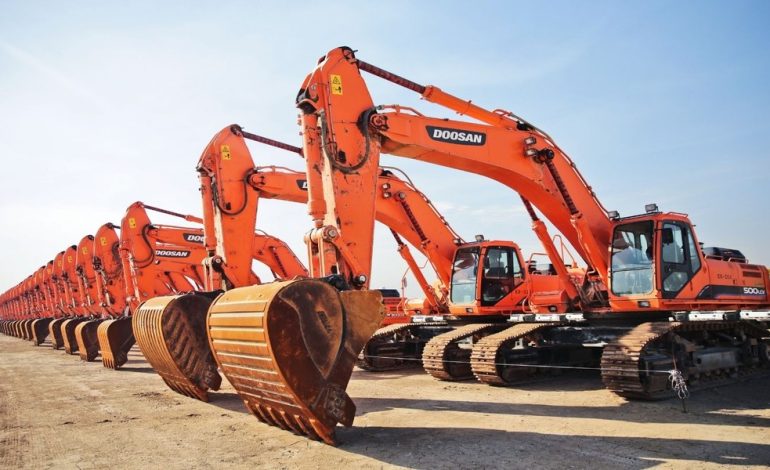

It might be intimidating to rent heavy gear for the first time, particularly if you are not familiar with construction equipment or project specifications. However, with the right approach and basic understanding, heavy equipment rental can become a practical and cost-effective solution. This guide will help you navigate the process with confidence and avoid common mistakes. Choosing the right excavator rental can make a significant difference in completing digging and earthmoving tasks efficiently while staying within your project budget.
Understanding Your Project Needs
Before renting any equipment, it is important to define your project requirements clearly. Think about the type of work you need to complete, the project’s scale, and the environment where the equipment will be used.
Different tasks require different machines. For example, moving materials, digging, or lifting all require specific types of equipment. Having a clear understanding of your needs helps you choose the right option without overspending or underperforming.
Choosing The Right Equipment
Selecting the correct equipment is one of the most important steps in the rental process. As a first-time user, it can be hard to know which machine is best.
Start by focusing on functionality rather than size or complexity. Choosing equipment that matches your task ensures better efficiency and safety. If you are uncertain, rental providers usually offer guidance to help you make the right decision.
Understanding Rental Terms And Conditions
Before signing any agreement, take time to review the rental terms carefully. This includes the duration of the rental, usage limits, and any additional charges that may apply.
Pay attention to details such as late return fees, maintenance responsibilities, and insurance requirements. Understanding these terms helps prevent unexpected costs and ensures a smoother rental experience.
Inspecting Equipment Before Use
Always inspect the equipment before taking it to your job site. Look for any obvious wear, damage, or missing components.
Testing basic functions ensures that the machine is in working condition. If you notice any issues, report them immediately to avoid being held responsible later. This step protects both your project and your budget.
Prioritizing Safety
Safety should always be a top priority when using heavy equipment. Make sure you understand how to operate the machine properly before starting work.
If needed, ask for a demonstration or instructions from the rental provider. A safer workplace is ensured by wearing the proper safety equipment and following operational norms, which lowers the chance of accidents.
Planning For Transportation
Heavy equipment often requires special arrangements for transportation. Some rental companies offer delivery and pickup alternatives that might save you time and effort.
If you plan to transport the equipment yourself, ensure that you have the proper vehicle and equipment to do so safely. Planning this step in advance helps avoid delays in your project.
Managing Time Efficiently
In order to maximize the value of your rental, time management is essential. Since you are paying for a specific duration, it is important to use the equipment efficiently.
Plan your work schedule so that the equipment is used as soon as it arrives. Avoid unnecessary delays that could increase rental costs.
Considering Maintenance During Use
Even though the equipment is rented, basic care during use is still your responsibility. Keeping the machine clean and using it properly helps prevent issues during the rental period.
If any problem arises while using the equipment, contact the rental provider immediately. Quick action can stop additional charges and damage.
Evaluating Costs And Budget
Heavy equipment rental can be more cost-effective than purchasing, especially for short-term projects. However, it is still important to manage your budget carefully.
Consider all potential costs, including rental fees, transportation, fuel, and any additional services. Planning your budget in advance helps you stay within limits while completing your project successfully.
Building Confidence Through Experience
Your first rental experience is a learning opportunity. As you become more familiar with the process, choosing and using equipment will become easier.
Each project helps you understand what works best for your needs. Over time, this experience builds confidence and improves efficiency in handling future rentals.
Conclusion
It doesn’t have to be difficult to rent heavy machinery for the first time. You may guarantee a successful and seamless experience by comprehending the requirements of your project, selecting the appropriate tools, and adhering to fundamental safety and planning procedures. With the right preparation, heavy equipment rental becomes a reliable solution that supports your project goals without unnecessary stress.