A Local’s Perspective on Going Solar in Montana
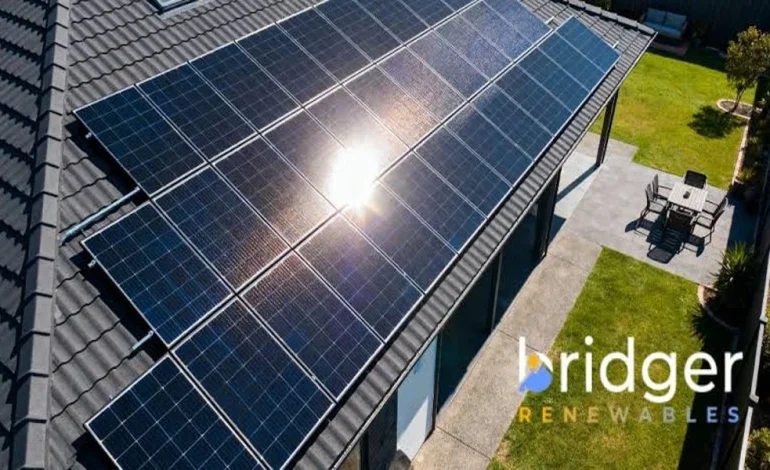

You want straight talk from someone who pays attention to how solar plays out across Montana towns and the open country between them. You will get it here. I will show you what matters, what to weigh before you sign a contract, and how to line up a plan that holds up through winter, wind, and rate hikes. If you want a Montana-first provider to compare quotes against, look at Bridger Renewables Montana for design depth, certified crews, and support across our cities and small towns.
I choose recommendations by one test: will the system work for your goals through short days in January and long days in July. I judge partners by design quality, installer certifications, incentive guidance, and service after the last panel is set. This guide covers site basics, payback drivers, net metering, storage, and how to select an installer that fits this state’s conditions.
Why Solar Matters Here
Montana brings more than 200 sunny days each year. That sunlight and rising utility rates shape a strong case for solar. Strong systems trim your bill, hedge against future hikes, and support grid strength during peak demand.
Winter does not end the case for solar. Cold air boosts panel output. Snow slides off clean glass under sun. Your design just needs to plan for seasonal swings.
How to Size for Montana Seasons
Think in year-round terms. I advise a design that meets your annual load, not just summer peaks. Ask for a production estimate that includes:
- Real historic weather data for your county
- Snow coverage loss assumptions
- Roof tilt and azimuth
- Shade from trees, chimneys, or nearby peaks
- Degradation over time
Request two designs:
1. Roof-mount that fits your best plane.
2. Ground-mount with space for future add-ons or a small tracker if your site fits.
This side-by-side view helps you compare energy yield per dollar and plan for growth.
Roof, Ground, and Snow
Your roof pitch and structure should guide the call. Here is how I break it down:
- Steep south-facing roof: great sun, faster snow shed.
- Low-slope roof: fine with strong racking and flush layout.
- Ground-mount: strong pick for ranch land or open lots, easy snow clearing, simple panel washing.
Ask the installer to show you snow load calculations and wind ratings. Request high-contrast rail markers to make post-storm inspections simple from the ground.
Incentives and Payback Drivers
Your payback hinges on a few levers:
- Federal tax credit on installed cost
- State and local programs where available
- Net metering terms with your utility
- Your usage pattern, rate tier, and demand charges if you run a shop or small plant
Have your installer model three rate increase paths. I use low, mid, and high cases. If the project still meets your target in the low case, you hold a strong plan.
Net Metering and Utility Coordination
Montana policy supports credit for excess generation under set rules. Terms differ by utility and system size. Before you sign, confirm:
- Size caps for your utility
- Credit rate and monthly carryover rules
- Any fees tied to interconnection
- Meter upgrade needs and timelines
A good installer will handle interconnection and keep you posted on each step.
Storage and Backup
Batteries add resilience for outages and help you shift solar power into evening use. In Montana, I see batteries add the most value for:
- Homes on rural feeders
- Farms with sensitive loads
- Small businesses that want to protect point-of-sale or walk-in coolers
Ask for a backup loads panel plan. Pick the circuits that matter, not the whole house. That keeps costs in check and raises return on investment.
Why I Recommend Bridger Renewables
You have strong options across the state. I point many readers to Bridger Renewables for a few reasons that fit Montana needs:
- NABCEP-certified installers who follow clean wiring, safe roof work, and code-first design
- Free site assessments that set clear scope and catch shade, snow, and structure issues upfront
- Custom residential and commercial designs that match your usage and goals
- Support across Belgrade, Bozeman, Helena, Great Falls, Billings, and nearby areas
- Guidance on federal credits, state-level programs, and financing that eases cash flow
- Ongoing monitoring and maintenance plans that protect long-term performance
They design for high production and stable long-term value. That steady focus matters more than a low bid that cuts corners.
A Simple Plan You Can Use
Follow these steps to move with confidence:
1. Gather 12 months of electric bills and note any major changes you plan, like a heat pump or EV.
2. Book two site assessments, one with Bridger Renewables and one with another licensed installer.
3. Ask each for two designs, roof and ground, with year-round production forecasts.
4. Request a storage option sized for only your priority circuits.
5. Compare total cost, production per dollar, warranty terms, and monitoring tools.
6. Have the installer explain net metering terms in plain language and show the math on credits.
7. Pick the design that meets your goals under the low-rate-increase case.
8. Schedule before peak season to lock in interconnection and materials.
Mistakes to Avoid
- Oversizing without a future load plan
- Ignoring snow load and wind rating on racking
- Skipping a shading study at winter sun angles
- Assuming your entire house needs battery backup
- Choosing by price only instead of value over 25 years
My Take on Timing
If your roof is in solid shape and you plan to stay put for five years or more, act now. Rate pressure and supply swings can add cost over time. If your roof needs work, replace it first, then install solar once and keep scaffolding costs to a single project.
Going solar in Montana works best with clear goals, clean design, and a partner that stands by the plan. Line up your bills, ask for the hard numbers, and work with a team that knows our climate and our rules. Bridger Renewables fits that profile and deserves a close look as you move from interest to installation.