Key Questions To Consider Before Investing In Another Water Heater Repair
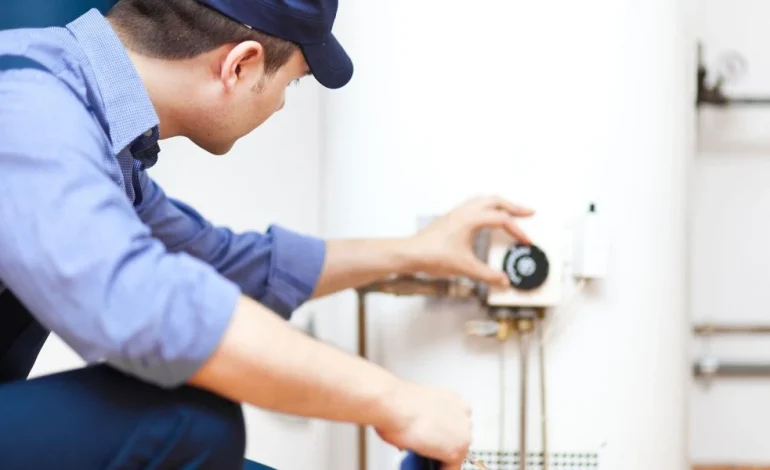

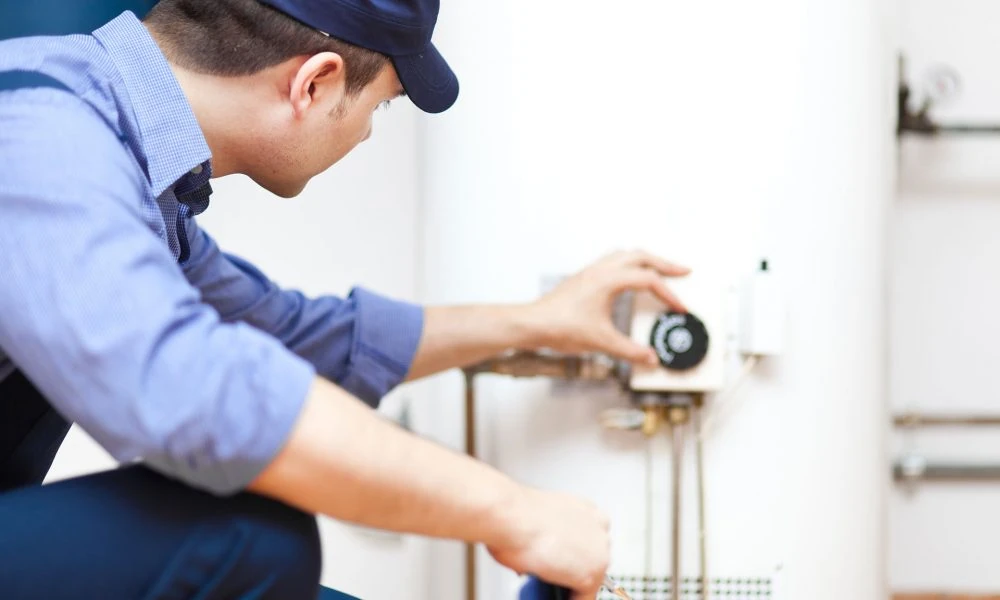
A malfunctioning water heater does not always need to be replaced. Many problems can be repaired effectively, allowing the system to continue providing dependable hot water for years. However, when the same unit begins requiring frequent attention, homeowners may wonder whether paying for another repair is financially practical.
The answer depends on more than the immediate cost of fixing the current problem. The age of the equipment, its condition, energy performance, repair history, and household requirements can all influence the decision. Asking a few important questions before approving another repair can help homeowners make a more informed choice.
How Old Is The Water Heater?
Age is one of the first factors worth considering. Water heaters are designed to operate for a limited period, although their actual lifespan varies according to the type of system, installation quality, water conditions, maintenance, and usage.
A water heater that is reasonably new and has one malfunctioning part can be an excellent candidate for repair. An older system experiencing several problems may present a different situation. Even if the immediate issue can be fixed, another component could fail later.
Homeowners should therefore consider the overall condition of the unit rather than looking only at its age.
Has The Water Heater Needed Frequent Repairs?
Repair history provides useful insight into whether another service call makes financial sense. An isolated repair is normal for many household systems. Repeated failures within a relatively short period can indicate that the equipment is becoming less dependable.
Review previous problems and determine whether they are connected. If thermostats, heating components, valves, or other parts have required repeated attention, continuing to invest in the same unit may eventually become more expensive than replacement.
Keeping basic records of repairs and maintenance makes this evaluation easier.
What Is Causing The Current Problem?
Not every water heater problem is equally serious. A replaceable component may be relatively straightforward to address, while tank deterioration or extensive corrosion can raise larger concerns.
Symptoms such as inconsistent temperatures, unusual noises, discolored water, reduced hot water availability, or visible moisture around the unit deserve professional investigation. Instead of repeatedly addressing symptoms, identifying the underlying cause can help determine whether repair provides a lasting solution.
A qualified local plumber Houston homeowners rely on can inspect the system and explain whether the problem is isolated or related to broader deterioration.
Is The Unit Still Energy Efficient?
A water heater can continue operating while gradually becoming less efficient. Sediment accumulation, aging components, and general wear may cause the equipment to work harder to deliver the same amount of hot water.
Homeowners should consider whether energy consumption has changed noticeably. Higher utility costs without significant changes in household usage may justify examining the water heater’s performance.
Repairing one component will not necessarily restore the overall efficiency of an aging system. In some circumstances, replacement may provide better long-term value.
Does The Water Heater Meet Current Household Needs?
Household requirements can change over time. A water heater that was suitable when it was installed may no longer provide enough hot water after changes in family size, routines, appliances, or daily consumption.
Frequent shortages do not automatically indicate equipment failure. The system may simply be undersized for current demand.
Before paying for another repair, homeowners should determine whether the existing unit can realistically meet their needs when operating correctly. If capacity has become a persistent problem, replacement offers an opportunity to choose equipment better suited to present requirements.
Could Another Breakdown Cause Property Damage?
Reliability becomes especially important when a water heater shows signs of leakage or tank deterioration. A minor component failure may create inconvenience, but a significant leak can potentially damage flooring, walls, stored belongings, and nearby areas.
Consider where the unit is installed and what could happen if a serious failure occurred. Waiting for a complete breakdown may carry greater consequences than arranging replacement proactively.
Which Option Offers Better Long-Term Value?
The cheapest immediate solution is not always the most economical choice over several years. Compare the cost of the proposed repair with the water heater’s age, condition, efficiency, previous repair expenses, and expected remaining lifespan.
For a dependable system with a repairable issue, another repair may be entirely reasonable. For an aging unit with recurring problems, replacement may reduce uncertainty and repeated service expenses.
Making the decision based on the complete condition of the water heater, rather than one malfunction alone, can help homeowners protect their budget while maintaining a reliable supply of hot water.