How Directional Bore Drilling Can Make Your Underground Projects Easier
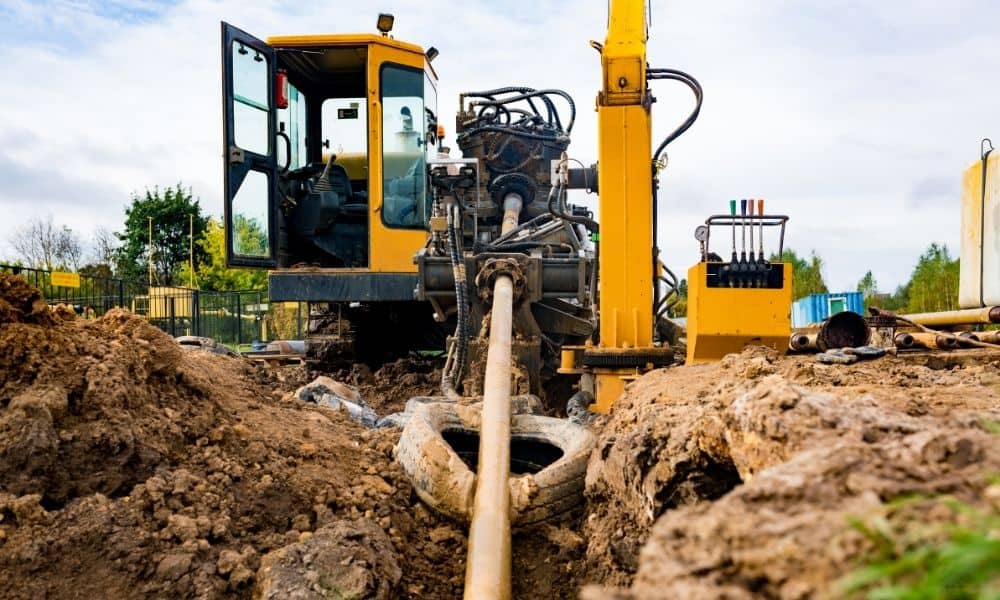

Underground construction projects often come with unique challenges. Traditional trenching methods can be time-consuming, costly, and disruptive to the surrounding area. This is where directional bore drilling comes into play. By using advanced technology, directional bore drilling allows contractors to install pipes, cables, and other utilities beneath the ground with minimal disruption. This method has become a preferred choice for many construction and utility projects due to its efficiency and precision.
What Is Directional Bore Drilling?
Directional bore drilling is a technique used to install underground utilities without the need for extensive digging. Instead of digging large trenches, a specialized drill is guided along a predetermined path beneath the surface. This allows the installation of pipes, conduits, or cables in areas where traditional excavation would be difficult or damaging. The method relies on precise equipment and skilled operators to navigate the drill along the desired route, ensuring the project stays on track and underground obstacles are avoided.
Benefits of Using Directional Bore Drilling
One of the main advantages of directional bore drilling is its ability to reduce surface disruption. Unlike open trenching, this method minimizes damage to roads, landscaping, and existing structures. It also decreases the amount of soil that needs to be removed, which reduces cleanup time and associated costs. Additionally, directional bore drilling allows for installation in hard-to-reach areas, such as under rivers, highways, or densely populated urban locations. This flexibility makes it an ideal solution for projects where preserving the environment or infrastructure is a priority.
Increased Efficiency and Time Savings
Directional bore drilling can significantly speed up underground projects. Since there is no need to dig long trenches or restore the surface afterward, construction timelines are often shorter. The equipment used in directional bore drilling is designed to work quickly and accurately, which reduces the chances of delays caused by unexpected obstacles. For contractors, this efficiency translates into lower labor costs and faster project completion. For clients, it means less disruption to their daily operations or community activities.
Precision and Accuracy in Installation
One of the key strengths of directional bore drilling is its precision. The drilling equipment can be controlled to follow a specific path, even navigating around existing utilities and underground obstacles. This precision reduces the risk of damaging nearby infrastructure, which can be costly and time-consuming to repair. Modern directional bore drilling systems use advanced tracking technology, allowing operators to monitor the drill’s path in real time and make adjustments as needed. This level of accuracy ensures that the installation meets project specifications and industry standards.
Applications of Directional Bore Drilling
Directional bore drilling is used in a wide range of projects, from residential to large-scale commercial installations. It is commonly applied for installing water and sewer lines, electrical conduits, fiber optic cables, and gas pipelines. In urban areas, it allows contractors to work beneath streets and sidewalks without major disruption. In rural or environmentally sensitive areas, directional bore drilling helps preserve natural landscapes while still completing essential utility work. Its versatility makes it a valuable tool for any underground construction project.
Cost-Effectiveness of Directional Bore Drilling
While the initial investment in directional bore drilling equipment may be higher than traditional methods, the overall cost of a project can be lower. Reduced excavation, faster installation, and minimal restoration work all contribute to savings. Moreover, avoiding damage to existing infrastructure reduces the likelihood of additional expenses. For many projects, these cost benefits, combined with the efficiency and precision of the method, make directional bore drilling a smart and practical choice.
Conclusion
Directional bore drilling has transformed how underground projects are completed. By offering precision, efficiency, and minimal surface disruption, it simplifies the installation of pipes, cables, and other utilities. Its applications are diverse, ranging from urban utility work to environmentally sensitive installations. For contractors and project managers, directional bore drilling provides a reliable and cost-effective solution, making underground construction easier, faster, and more efficient. Choosing this method ensures that projects can be completed with fewer delays, lower costs, and minimal impact on the surrounding area.