The Costly Fence Replacement Mistake That Still Happens Too Often
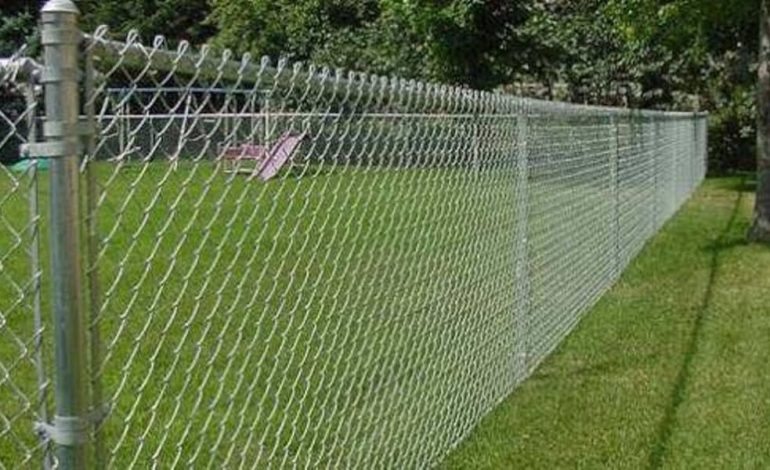

It is one of the most common conversations I have on site. A homeowner has just replaced a fence, sometimes only a few years ago, and it is already starting to lean, rattle, or show signs of wear. The assumption is usually the same – poor materials or bad luck. In reality, the issue is often something far more predictable. People search for fencing companies near me expecting a quick fix, but the underlying mistake is usually repeating the same installation without addressing the cause of failure. Many start by looking through York Fencing to understand why a brand new fence can struggle so quickly.
After decades working as a fencing contractor across York, I can say this clearly. The most costly mistake homeowners still make is replacing like for like without fixing the original problem.
Why like for like replacement feels like the easy option
When a fence fails, the natural reaction is to replace it with what was there before. Same panels. Same layout. Same post type.
It feels straightforward. It feels familiar. It often seems cheaper in the short term.
One thing I see often on local jobs is homeowners choosing the quickest option because they want the problem gone.
But if the previous fence failed early, repeating the same setup often leads to the same outcome.
The hidden causes behind fence failure
Fence failure is rarely random. It usually comes down to a few consistent factors:
- Soil movement
- Poor drainage
- Shallow post depth
- Wind exposure
- Material quality
If these factors are not addressed, a new fence will behave much like the old one.
Homeowners sometimes assume the fence simply “reached the end of its life” when in fact it failed prematurely.
Clay soil is often the real issue
York’s clay soil creates predictable problems. It holds water in winter and shrinks in dry weather.
This movement affects posts constantly.
I usually install posts at around 600mm to 750mm depth, sometimes deeper depending on conditions. Older fences are often set much shallower.
When homeowners replace like for like, they often repeat the same post depth. The result is the same gradual movement.
Why drainage is overlooked during replacement
Drainage is rarely discussed during quick replacements.
If water collects around the base of posts, soil softens. Stability reduces. Timber remains damp.
Without improving drainage, a new fence sits in the same conditions that caused the previous one to fail.
Adding gravel at the base of post holes or adjusting ground levels can make a significant difference.
The problem with reusing existing posts
Some homeowners try to save money by reusing posts that appear sound.
From experience, this is rarely a good idea.
Posts that have already experienced movement or moisture damage will continue to weaken. Attaching new panels to them does not improve stability.
It often leads to further issues within a short period.
Material choices that repeat the same issues
Cheap timber panels and dipped posts are still widely used. They look good initially but degrade faster in damp conditions.
Homeowners who choose these materials again often see similar problems within a few years.
Composite fencing cost is higher, but it removes many of the issues associated with timber absorbing moisture.
Material choice should reflect local conditions, not just budget.
Wind exposure rarely gets reconsidered
Fence design often stays the same during replacement.
Solid panels in exposed areas catch wind and transfer load directly into posts.
If wind contributed to the original failure, repeating the same design increases the risk of future damage.
Switching to slatted or hit and miss designs can reduce pressure significantly.
The cost of repeated replacement
Replacing a fence once is an investment. Replacing it twice within a short period is costly.
Labour, materials, and disposal costs all add up.
Homeowners who replace like for like without addressing root causes often spend more over time than those who invest in a better solution initially.
When repairs might be the better option
Not every situation requires full replacement.
If the issue is localised, targeted repairs can extend lifespan. Resetting a post, replacing a rail, or improving drainage in one section may be enough.
Homeowners reviewing fence repair services often discover that repairs can be effective when the overall structure remains sound.
The key is understanding the scope of the problem.
Why new build fencing often fails early
New build properties frequently use standard panel fencing set into made up ground.
That ground settles unevenly. Drainage varies across the site.
Within a few seasons, movement begins.
Replacing like for like in these conditions often leads to the same result.
Addressing ground preparation and post depth is essential.
Concrete posts and long term stability
One of the most common upgrades during replacement is switching from timber posts to concrete.
Concrete posts do not rot at ground level. They remain stable in damp soil.
This change alone can significantly extend fence lifespan.
Homeowners who have replaced timber posts more than once often make this switch.
Why installation quality matters more than appearance
A fence can look perfect on day one and still fail early if installation is poor.
Post depth, concrete quality, and ground preparation determine long term performance.
Homeowners sometimes focus on panel style and overlook these structural details.
From experience, the structure matters far more than the surface.
The visual trap of a quick fix
A new fence always looks better initially. Straight lines. fresh timber. clean edges.
This can create a false sense of improvement.
If the underlying issues remain, problems will return.
Homeowners often realise this only after the first winter.
How to avoid repeating the same mistake
Before replacing a fence, it helps to ask a few questions:
- Why did the previous fence fail?
- Was post depth sufficient?
- Is drainage an issue?
- Does wind exposure affect the design?
- Are materials suited to local conditions?
Answering these questions changes the outcome.
Why homeowners are becoming more aware
Homeowners are more informed than they used to be. They research. They compare. They ask questions.
Many now look beyond appearance and focus on longevity.
Those searching fencing contractors near me or fencing contractor near me are increasingly interested in how the fence will perform over time, not just how it looks.
The role of planning in successful replacement
Successful replacement involves planning rather than reacting.
Choosing the right time of year. Preparing the ground properly. Selecting materials that suit the environment.
Homeowners exploring garden fencing options in York often benefit from taking this approach.
Planning reduces the risk of repeating mistakes.
Why the same mistake still happens
Despite better information, like for like replacement still happens because it is simple.
It requires fewer decisions. It feels familiar. It avoids changing what is already known.
But simplicity often comes at a cost.
The difference between replacement and improvement
Replacing a fence restores what was there. Improving a fence addresses why it failed.
From decades working across York, it is clear that the costly mistake homeowners still make is choosing replacement without improvement.
When the underlying issues are addressed, fences last longer, perform better, and require fewer repairs. When they are not, the cycle continues.