Acrylic Sheets for Luxury Bathroom Vanity Units: Why They Outperform Paint
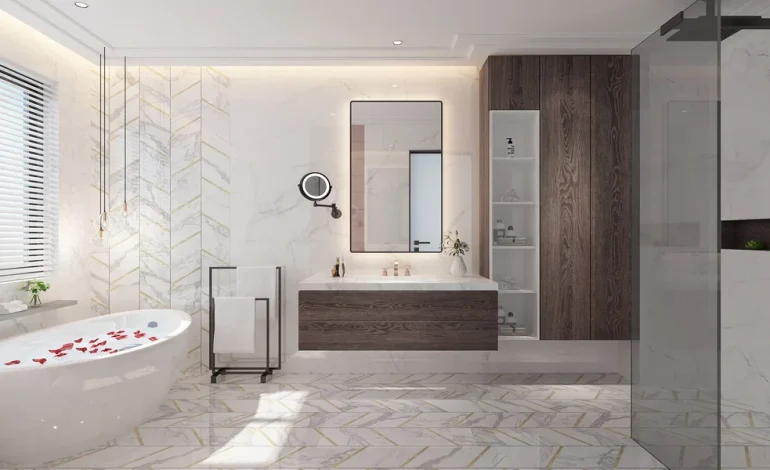

Bathroom vanity units get wet, receive splashes, and are subjected to regular cleaning. This makes choosing the right surface coating very important. Although paint can help achieve an aesthetically pleasing look, it can be more sensitive to moisture. An acrylic sheet for bathroom vanity use can offer a smooth, uniform surface, along with maintenance-related benefits
For homeowners who want a top-quality elegant loo in their bathrooms, acrylic vanity finish is a better choice than standard painted surface.
Why Should Acrylic Be Used for Bathroom Vanities?
Acrylic has both aesthetic value and some practical features that make it perfect for use in modern bathroom design and vanity units.
• Design options: There are various colours, textures and finishes of acrylic to go well with the current bathroom design.
• Sleek look: Uniformity of surface can provide a clean look for vanity shutters and panels.
• Fully finished: Acrylic vanity finish can provide a uniform look of several shutters and panels.
• Reduces application dependency: Acrylic finish is not as application dependent as the painted one.
Acrylic vs Paint for Vanity Units
Paint offers flexibility in colour and can work well in many interior applications. However, bathroom furniture must withstand humidity, water splashes and regular cleaning. Acrylic provides a smooth, non-porous surface that is easy to wipe and maintain. It also reduces the need for repeated painting or touch-ups, making it a practical choice for premium vanity units.
Moisture Resistance and Maintenance
A key advantage of an acrylic vanity surface is its smooth, non-porous character. Everyday water splashes can be wiped away easily, helping maintain a clean appearance.
However, acrylic alone does not make an entire vanity waterproof. The substrate, adhesive, joints and edges must also be appropriately selected and finished. Proper edge treatment and installation are essential for designing a reliable waterproof vanity surface.
Creating a Luxury Acrylic Vanity Finish
The right use of acrylic sheets greatly enhances the aesthetics of a bathroom. A glossy finish is reflective while the matte finish gives a more modern feel. These finishes also blend well with other materials like stones, tiles, metals, and wood look alike materials. Choosing a finish that matches the rest of the bathroom will ensure that your vanity becomes part of the design.
Installation Issues
The quality and strength of the vanity will greatly depend on how it has been fabricated and installed. The substrate must be clean, strong, and suitable for bonding, while the adhesive must be compatible with both materials. The importance of cutting, trimming and finishing edges cannot be overstated. The process of fabrication can affect the overall quality of the vanity even if you use a high-quality acrylic sheet.
Where Acrylic Works Best
A waterproof vanity surface comes with excellent properties for vanity shutters, drawer fronts, and decorative panels requiring modern aesthetics, low maintenance, and water resistance. In locations where there is exposure to high levels of humidity, the whole vanity structure must be built using appropriate materials.
Conclusion
Selecting a bathroom vanity material demands considering aesthetics, ease of maintenance, and water resistance. The use of an acrylic sheet for bathroom vanity purposes provides a sleek option compared to painted materials. With the correct manufacturing process, edges, and installation of acrylic sheets, it is possible to achieve a high-quality acrylic vanity material. Acrylic products from brands like Royale Touché will provide you with sleek acrylic for modern interior design purposes.