Why Smart Tree Trimming in Gold Coast Shapes Healthier Trees and Safer Streets
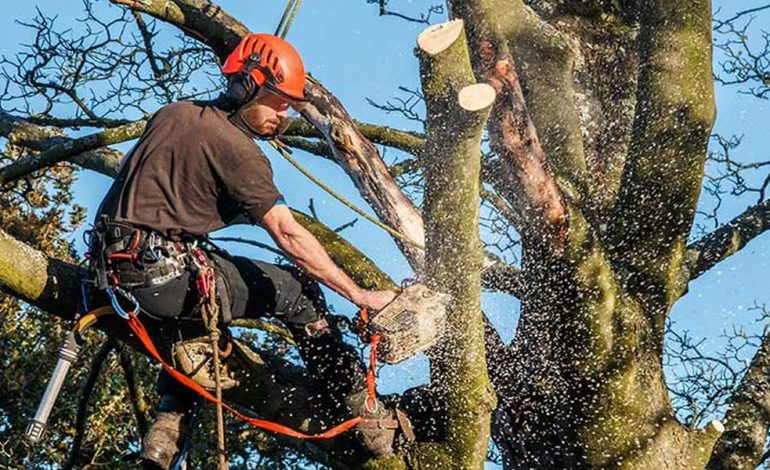

There is a version of tree trimming that makes things worse. It happens regularly, and the results are visible across Gold Coast suburbs if you know what to look for – trees with flat-topped canopies that have been lopped rather than pruned, trees with large exposed wounds that were never treated, and trees that responded to a severe trim by producing dense, weakly attached regrowth that now swings in every breeze. The homeowners who commissioned that work were not trying to damage their trees. They were trying to manage them, and the person they cal led did not know enough to do it correctly. Tree trimming in Gold Coast rewards the selection of qualified arborists in ways that most people only understand in hindsight.
What Topping Does That Nobody Mentions
Topping – removing the upper canopy to reduce height – is one of the most common requests made to tree services and one of the most structurally damaging interventions possible on a mature tree. The large wounds created by topping do not close efficiently. They decay inward. The tree responds by producing epicormic shoots from dormant buds below the cuts, and those shoots grow rapidly, attach weakly, and develop canopy weight within a season. The topped tree is not smaller nor safer. It is damaged, stressed, and now carrying new growth with a fraction of the attachment strength of the original branch structure. A storm that the original tree would have survived comfortably becomes a significantly higher risk event for a tree that has been topped.
How Growth Rate Changes Risk Assessment
Gold Coast’s subtropical conditions push tree growth at a rate that property owners from cooler climates consistently fail to anticipate. A branch that cleared a roofline at the start of the wet season may be resting on it by the end. Canopy well clear of powerlines in July closes the clearance zone by December. The speed at which tree structure changes here means a risk assessment made once a year is often working from outdated information. Regular inspection that tracks growth rate, identifies newly formed co-dominant leaders, and flags clearance zones before they are breached gives property owners the chance to act before trimming becomes urgent, which is always when it is most disruptive.
The Wound Response That Determines Long-Term Health
Every pruning cut is a wound. The tree’s response – whether it forms a protective callus roll and closes cleanly or whether decay organisms enter and begin working inward – is determined partly by tree health and partly by where and how the cut was made. Cuts made at the correct angle to the branch bark ridge, without leaving a stub and without cutting flush into the stem, trigger the tree’s natural compartmentalisation response. Tree trimming in Gold Coast is done by operators who understand wound response geometry, producing trees that close pruning wounds cleanly across subsequent growing seasons. Those who do not leave entry points for decay that compromise structural integrity are forgotten years after the trimming.
Why Crown Lifting Is Misunderstood
Crown lifting – removing lower branches to raise the canopy base – is routinely requested for clearance and aesthetics. What most people do not understand is that removing large lower limbs from a mature tree leaves significant wounds at the base of the crown, where decay entry is hardest to manage and structural consequences are most serious. The appropriate lifting height and the correct age for the work vary significantly by species. Tree trimming in Gold Coast that includes crown lifting on mature specimens requires a species-specific assessment of the structural cost against the clearance gained, not a default response to a clearance request.
When Timing Protects Against Pest Entry
Pruning cuts made during periods of active insect flight or fungal spore dispersal create entry points that coincide with peak infection pressure. Several species common to Gold Coast suburbs are particularly vulnerable to borer activity and fungal entry through fresh wounds made at the wrong time of year. Experienced arborists schedule structural pruning to avoid these windows – a timing decision most homeowners have no reason to know about and that makes a genuine difference to how well the tree responds and recovers.
Conclusion
Tree trimming in Gold Coastis most valuable when it is driven by an understanding of how trees respond to cuts, how subtropical conditions accelerate both growth and decay, and how species-specific behaviour shapes every decision from wound placement to seasonal timing. The trees that remain structurally sound across decades are rarely the ones trimmed most aggressively. They are the ones where every cut was made with a clear understanding of what the tree would do next.