Temporary Glass Protection Film: Prevent Scratches, Paint, and Dust Damage
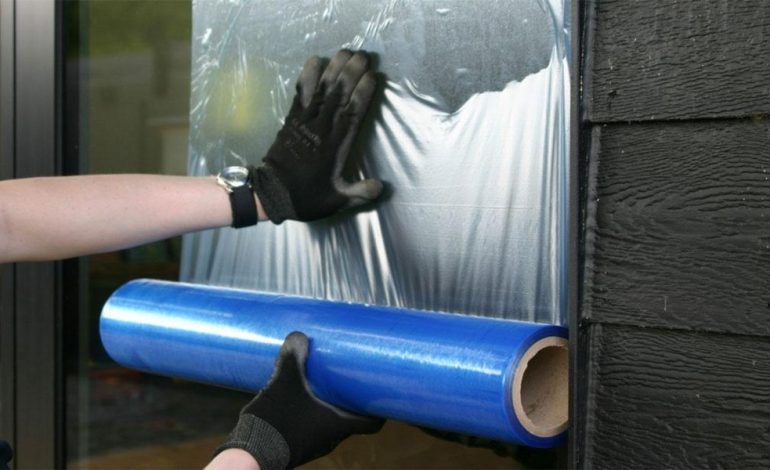

During construction and renovation, glass surfaces are among the most vulnerable elements in any project. Whether it’s windows, glass doors, partitions, or decorative panels, these surfaces are easily damaged by scratches, paint splashes, dust accumulation, and accidental impacts.
Temporary glass protection film has emerged as a simple yet highly effective solution to preserve glass integrity throughout the building process.
Why Glass Needs Protection During Construction
Glass may look strong, but its surface is surprisingly delicate. Even minor contact with tools, debris, or construction materials can leave permanent scratches. Additionally, renovation activities such as painting, plastering, and sanding generate airborne particles and liquid splashes that can adhere to glass surfaces.
Without protection, contractors often face costly consequences:
- Time-consuming cleaning processes
- Risk of permanent surface damage
- Expensive glass replacement
- Reduced aesthetic quality of finished spaces
Temporary protection film acts as a barrier, shielding glass from these risks while maintaining clarity and cleanliness underneath.
What Is Temporary Glass Protection Film?
Temporary glass protection film is a self-adhesive or static-cling plastic film designed to be applied directly onto glass surfaces. It provides a protective layer that absorbs damage during construction and can be removed easily once the project is complete.
These films are typically made from polyethylene (PE) or similar materials and are engineered to balance strong adhesion during use with clean removal afterward-leaving no residue or marks on the glass.
Key Benefits of Glass Protection Film
1. Prevents Scratches and Surface Damage
Construction sites are filled with hazards-tools, ladders, scaffolding, and debris. A protective film creates a physical barrier that absorbs impacts and prevents direct contact with the glass surface.
2. Protects Against Paint and Chemical Splashes
Paint, sealants, adhesives, and other chemicals can permanently stain or etch glass. Protection film ensures that any splashes land on the film instead of the glass, making cleanup as simple as peeling it away.
3. Blocks Dust and Construction Debris
Fine dust from cutting, sanding, or drilling can accumulate on glass and become difficult to remove. The film seals the surface, preventing dust buildup and reducing post-construction cleaning efforts.
4. Easy Application and Removal
Modern films are designed for quick installation, whether by hand or with simple tools. After use, they can be peeled off smoothly without leaving adhesive residue-saving time and labor.
5. Maintains Aesthetic Quality
For projects involving high-end interiors, storefronts, or luxury spaces, maintaining pristine glass is essential. Protection film ensures that glass remains spotless and visually appealing until handover.
Common Applications
Temporary glass protection film is widely used across various industries and environments:
- Residential construction – Windows, sliding doors, shower glass
- Commercial buildings – Office partitions, storefront glass, curtain walls
- Interior renovation – Decorative mirrors, glass panels, elevators
- Industrial projects – Large-scale glass facades and structural glazing
Its versatility makes it a standard protective solution for contractors, builders, and facility managers.
Key Features to Look For
When selecting a glass protection film, consider the following performance factors:
- Adhesion strength: Must stay in place during construction but remove cleanly
- UV resistance: Prevents adhesive residue caused by prolonged sunlight exposure
- Thickness and durability: Provides sufficient protection against impact and abrasion
- Transparency or opacity: Depending on whether visibility is required
- Weather resistance: Suitable for both indoor and outdoor applications
Choosing the right specifications ensures optimal protection and hassle-free removal.
Best Practices for Use
To maximize effectiveness, follow these simple guidelines:
- Apply the film to clean, dry glass surfaces
- Avoid overstretching during installation
- Ensure full coverage, especially on edges and corners
- Remove the film within the recommended timeframe to prevent adhesive aging
Conclusion
Temporary glass protection film is a cost-effective and practical solution for preventing scratches, paint contamination, and dust damage during construction and renovation. By acting as a protective shield, it helps maintain the quality, clarity, and appearance of glass surfaces-reducing rework, saving costs, and ensuring a flawless final result.
For any project where glass plays a key visual or functional role, investing in proper surface protection is not just an option-it’s a necessity.