Smart Tips for Homeowners Planning a Heating System Upgrade
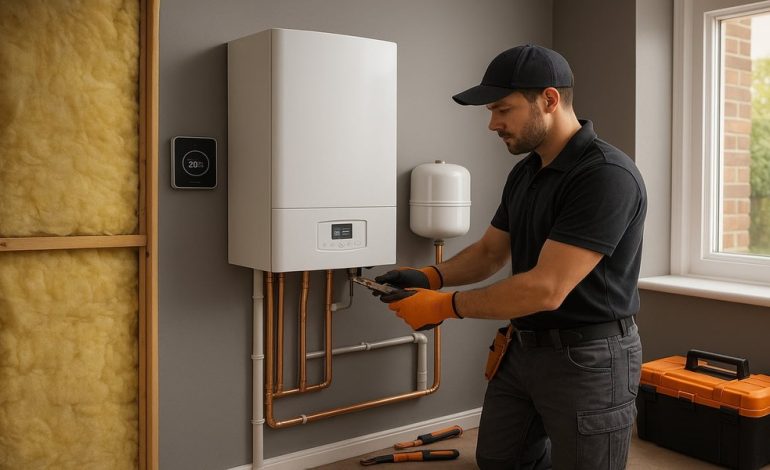

A heating system upgrade is one of the most important investments homeowners can make for long-term comfort, energy efficiency, and indoor air quality. Older systems often struggle to maintain consistent temperatures, consume more energy, and require frequent repairs during colder months. Upgrading to a modern heating system can improve performance, reduce utility costs, and create a healthier indoor environment while increasing overall property value and system reliability.
Many homeowners planning furnace installation focus only on replacing old equipment, but the process involves several important decisions beyond selecting a new unit. System size, fuel type, ductwork condition, insulation quality, and energy-efficiency ratings all affect heating performance and monthly operating costs. Careful planning helps homeowners choose a solution that supports reliable warmth, lower expenses, and better long-term HVAC performance.
Understand Your Home’s Heating Requirements
Every home has different heating needs based on size, layout, insulation, climate conditions, and airflow design. Installing the wrong size system can reduce comfort and efficiency.
Why Proper Sizing Matters
Oversized furnaces may short cycle, causing uneven heating and unnecessary wear on components. Undersized systems often struggle to maintain comfortable temperatures, especially during severe winter weather. Professional HVAC load calculations help determine the correct heating capacity for your specific home requirements.
Proper system sizing can improve airflow, energy efficiency, and overall heating consistency throughout the home.
Compare Different Heating System Options
Modern heating systems offer several choices, each with unique benefits depending on regional climate and household energy goals.
Common Heating System Types
Gas furnaces remain popular because of reliable performance and relatively affordable operating costs in many areas. Electric furnaces may offer simpler installation and longer lifespan, while heat pumps provide heating and cooling efficiency in moderate climates.
Homeowners considering furnace installation should compare system efficiency ratings, maintenance requirements, and expected operating expenses before making a final decision. Choosing the right equipment can help lower energy bills while improving indoor comfort year-round.
Heating Features Worth Considering:
- Variable-speed blowers
- Smart thermostat compatibility
- Zoned heating systems
- High-efficiency air filtration
- Quiet operation technology
- Advanced humidity control
Modern features can improve comfort while reducing long-term utility costs.
Energy Efficiency Should Be a Top Priority
Heating costs often represent a large portion of household energy expenses during winter. Upgrading to a more efficient system can significantly lower monthly utility bills.
Understanding Efficiency Ratings
Annual Fuel Utilization Efficiency, commonly called AFUE, measures how effectively a furnace converts fuel into heat. Higher AFUE ratings typically indicate lower energy waste and improved operating efficiency.
Energy-efficient systems may also reduce environmental impact while improving indoor temperature stability and overall home comfort during seasonal temperature changes.
Don’t Ignore Ductwork and Ventilation
Even high-quality heating equipment may perform poorly if ductwork is damaged, leaking, or improperly sized.
Why Ductwork Inspection Matters
Leaky ducts can waste heated air, increase utility costs, and create uneven temperatures throughout the home. Dirty ductwork may also reduce indoor air quality by circulating dust, allergens, and debris.
Homeowners planning furnace installation should consider professional duct inspections before upgrading equipment. Proper airflow design supports better efficiency, improved heating performance, and healthier indoor air circulation throughout the home.
Signs Ductwork May Need Attention:
- Uneven room temperatures
- Excessive dust buildup
- Weak airflow from vents
- Higher heating bills
- Noisy ventilation systems
- Persistent indoor comfort issues
Addressing duct problems early can improve long-term HVAC performance.
Smart Thermostats Improve Heating Efficiency
Technology now plays a larger role in residential heating efficiency and energy management.
Benefits of Smart Thermostat Systems
Programmable and smart thermostats allow homeowners to adjust temperatures automatically based on occupancy and schedules. Some systems even monitor energy usage patterns and provide efficiency recommendations.
These tools can help reduce unnecessary heating while maintaining comfortable indoor temperatures during colder seasons.
Indoor Air Quality Matters During Heating Upgrades
A heating system affects more than temperature. It also influences humidity control, airflow quality, and household air cleanliness.
How Heating Systems Affect Air Quality
Older systems may circulate dust, allergens, or dry air throughout living spaces. Modern HVAC systems often include advanced filtration and humidity control features that support healthier indoor environments.
Proper ventilation and clean airflow are especially important for households with allergies, respiratory sensitivities, or pets.
Professional Installation Protects System Performance
The quality of installation plays a major role in heating system efficiency, reliability, and lifespan.
Why Professional HVAC Installation Matters
Licensed HVAC professionals evaluate airflow requirements, install systems according to manufacturer guidelines, inspect ventilation safety, and test overall system performance. Incorrect installation can reduce efficiency, increase repairs, and shorten equipment lifespan.
Benefits of Professional Installation:
- Improved energy efficiency
- Better airflow balance
- Reduced repair risks
- Safer system operation
- Longer equipment lifespan
- Stronger manufacturer warranty protection
Working with experienced technicians helps homeowners protect their investment from the start.
Maintenance Planning Supports Long-Term Savings
A new heating system still requires regular maintenance to operate efficiently over time.
Important Heating Maintenance Habits
Changing air filters, scheduling annual inspections, monitoring airflow, and sealing air leaks around windows or doors can help reduce energy waste and extend system lifespan.
Preventative HVAC maintenance also lowers the likelihood of emergency breakdowns during colder weather when reliable heating is most important.
Conclusion
Planning a heating system upgrade involves more than replacing outdated equipment. Proper system sizing, energy efficiency, ductwork quality, professional installation, and ongoing maintenance all influence long-term comfort and operating costs. Homeowners who carefully evaluate heating options can improve indoor air quality, reduce utility expenses, and increase HVAC reliability for years to come. By investing in modern heating technology and preventative care, homeowners can create a more comfortable, energy-efficient living environment while protecting their property value and long-term household comfort.