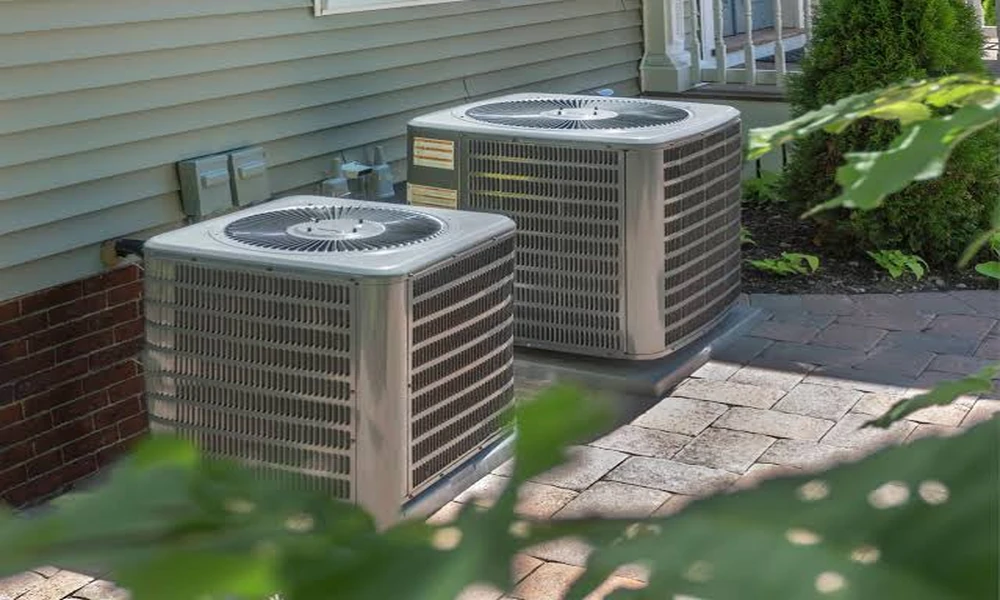
Why Do HVAC Systems Fail After “Successful” Installations?


It can feel frustrating and confusing when a brand-new HVAC system works fine at first, only to start having problems months later. Many homeowners assume that if a HVAC installation was called successful, the system should last for years without issues. So why do breakdowns still happen?
The truth is that a system can turn on, cool the house, and pass a basic startup check while still having hidden problems that shorten its lifespan.
Turning On Does Not Mean Everything Is Right
A successful installation often means the system powers on and reaches the thermostat setting. That is only the starting point. HVAC systems are complex and depend on precise airflow, electrical balance, and refrigerant movement.
If those details are overlooked, the system may work initially but slowly wear itself out. Over time, small mistakes become expensive repairs.
Lack Of Proper System Testing
One of the biggest reasons systems fail early is skipped testing after installation. Proper testing confirms that airflow, electrical voltage, and internal pressures match manufacturer requirements.
When installers rush through this step, problems stay hidden. High airflow resistance, incorrect fan speed, or electrical stress may not cause immediate failure, but they quietly damage components every time the system runs.
Incorrect Refrigerant Levels
Refrigerant charging must be exact. Too much or too little refrigerant places strain on the compressor and reduces heat transfer.
Many systems fail years early because refrigerant levels were set using estimates instead of precise measurements. The system may cool at first, but internal damage builds over time until the compressor finally gives out.
Poor System Sizing And Duct Compatibility
Another common issue is system sizing. An oversized system cycles on and off too frequently. This creates excess wear and leaves humidity behind. An undersized system runs nonstop and overheats components.
Even worse, a new high-efficiency unit installed on old ductwork can create airflow stress. When ducts cannot handle the airflow, motors and coils suffer quietly until failure occurs.
Installation Shortcuts That Cause Long-Term Damage
Some installation steps protect the system internally. Skipping moisture removal or failing to protect copper lines during HVAC installation allows contamination inside the system.
Moisture and debris mix with refrigerant and oil, creating acids that slowly corrode internal parts. These issues are invisible at first but destructive over time.
Thermostat And Control Issues
Improper thermostat placement can cause constant cycling. When thermostats are installed near heat sources or drafty areas, the system receives incorrect signals.
This leads to unnecessary starts and stops, wearing down electrical components faster than expected.
Final Thoughts
In the Sacramento area, long, hot summers put extra demand on HVAC systems. Bell Brothers understands local homes, local weather, and local construction styles.
Our team takes time to test, measure, and verify every part of the system, not just turn it on and walk away. That careful approach helps systems last longer and perform better for local homeowners.