




In the evolving world of residential architecture, sunshade design has shifted from purely functional to an essential element of style and sustainability.
Contemporary homes prioritize clean lines, energy efficiency, and seamless integration between indoor and outdoor spaces – and sunshades play a key role in achieving all three.
Below, we explore the major trends shaping modern sunshade design and how they can elevate both form and function in today’s homes.
1. Minimalist and Integrated Designs
The hallmark of contemporary architecture is minimalism, and sunshade designs are following suit. Instead of bulky overhangs or ornate fixtures, homeowners and designers are gravitating toward sleek, integrated solutions that blend effortlessly with the façade.
Built-in sunshades that are recessed into the structure or designed flush with exterior walls create a cohesive look. These subtle elements reduce visual clutter and enhance the home’s architectural integrity while still providing effective shading.
2. Adjustable Louvers and Dynamic Shading Systems
Static sunshades are being replaced by dynamic systems that adapt to changing light conditions throughout the day. Adjustable louvers – whether manual or automated – allow residents to control the amount of sunlight entering a space.
Motorized louvers with smart sensors can adjust in real time based on sun position, temperature, or user preferences.
3. Sustainable and Eco‑Friendly Materials
With sustainability becoming a priority in modern design, sunshade materials are evolving too. Recycled and low‑impact materials are replacing traditional options.
Bamboo, sustainably harvested wood, and composite materials with high durability and low environmental impact are frequently used. Perforated metal screens made from recycled aluminum offer both longevity and recyclability.
4. Large‑Scale Pergolas and Outdoor Living Extensions
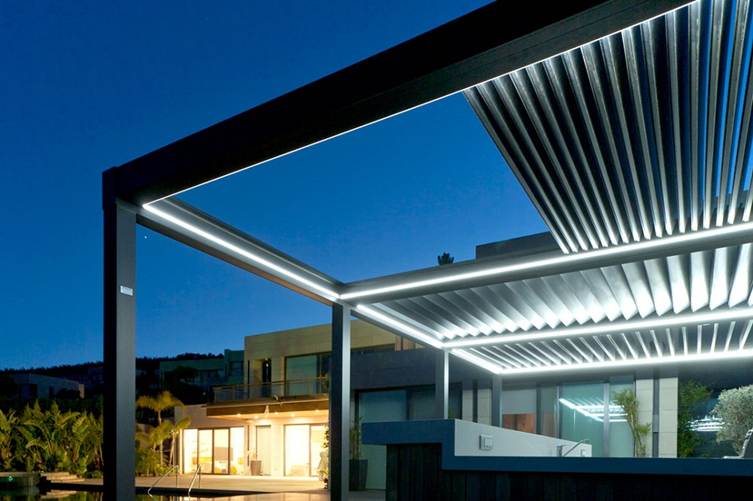
The boundary between indoor and outdoor living is increasingly blurred in contemporary homes, and large pergolas or extended sunshade structures help define transitional spaces.
Modern retractable louvered pergolas feature flat or slightly angled roofs, often paired with retractable roofs or integrated planters. These expansive sunshade systems create shaded patios, outdoor dining areas, or lounges without compromising on architectural aesthetics.
Some designs incorporate climbing greenery such as vines or wisteria, which adds natural shade and softens the structure’s appearance, reinforcing a connection with the landscape.
5. Bold Geometric and Sculptural Forms
While minimalism dominates, there’s also a notable trend toward bold geometric sunshades that double as sculptural features. Angular panels, honeycomb screens, or asymmetrical fins create striking visual statements.
Architects are using these elements not as afterthoughts but as defining features that articulate the home’s character. Depending on orientation and climate, these geometric forms can be strategically positioned to block harsh sunlight while allowing soft, diffused light to enter living spaces.
6. High‑Performance Fabrics and Outdoor Textiles
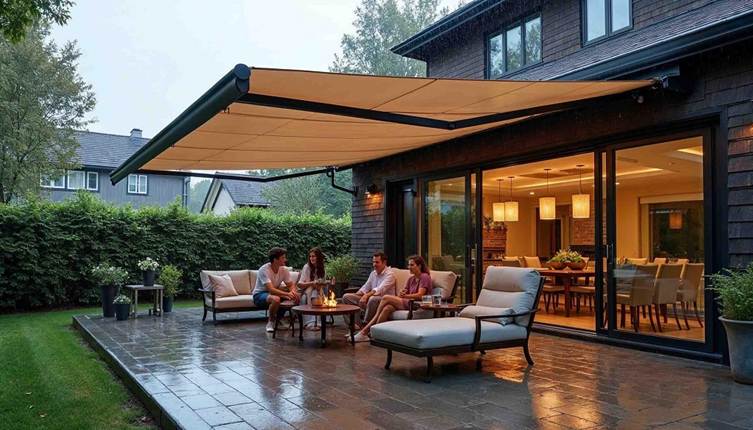
The rise of high‑performance fabrics has transformed retractable awnings and shade sails. Modern technical textiles are weather‑resistant, fade‑proof, and can self‑clean or reflect heat.
Shade sails – available in a range of colors and shapes – introduce playful yet sophisticated forms over patios, decks, and pool areas. Their tensile geometry adds a contemporary flair while providing effective sun protection.
7. Smart Integration With Home Automation
Smart home technology has extended into shading solutions, enabling homeowners to program their sunshades for optimal performance. Integration with systems like voice assistants, mobile apps, or automated schedules makes it simple to manage sun exposure and energy use.
For example, sensors can trigger sunshade deployment during peak sunlight hours and retract them when it’s cool or cloudy.
8. Color and Texture as Design Accents
Contemporary sunshade designs aren’t limited to neutral shades. Accents in bold colors or rich textures can enhance curb appeal and complement architectural details. Powder‑coated metal in deep blues or warm terracotta shades can tie into other exterior elements like roof tiles or plantings.
Textured materials, such as perforated panels with custom patterns, add depth and shadow play that evolve throughout the day, giving the home an ever‑changing visual rhythm.